Lysozyme for Bacterial Cell Lysis
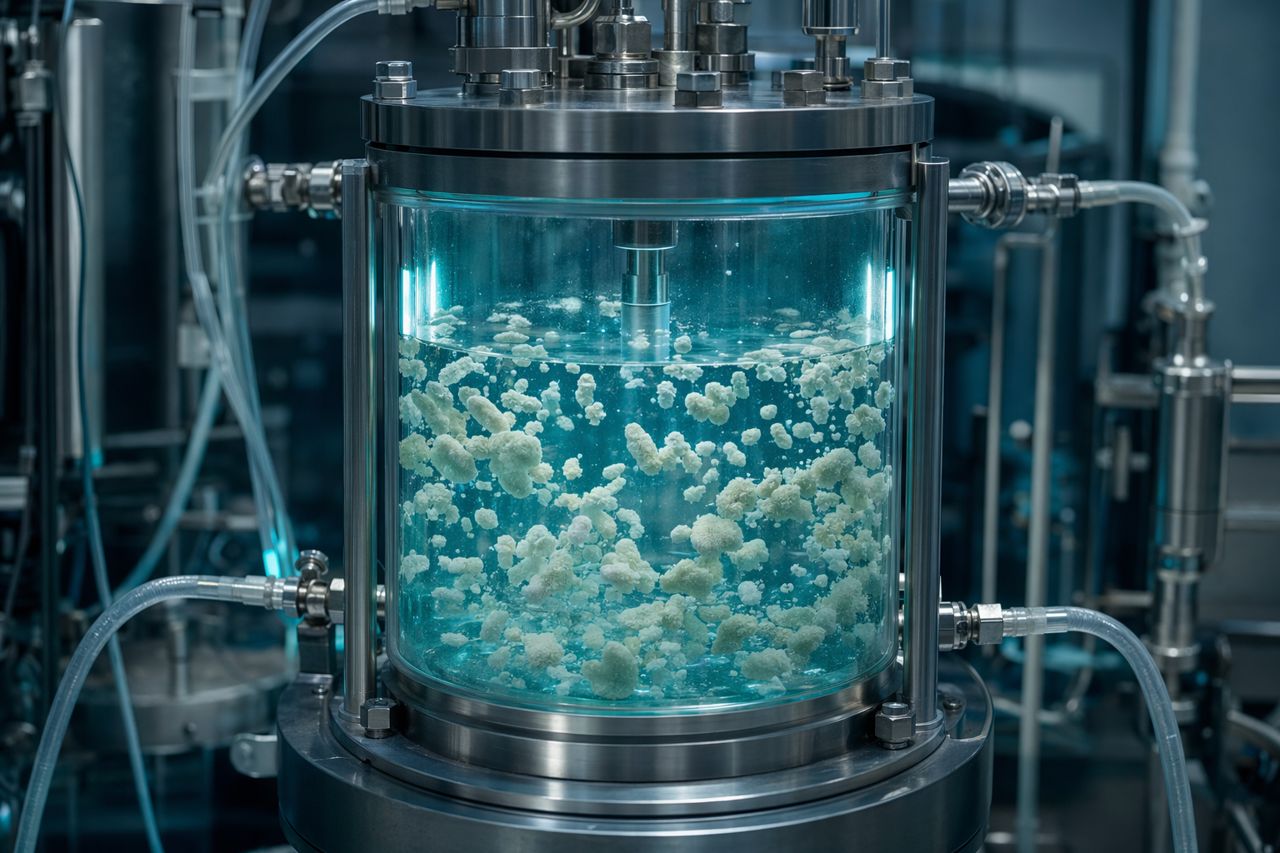
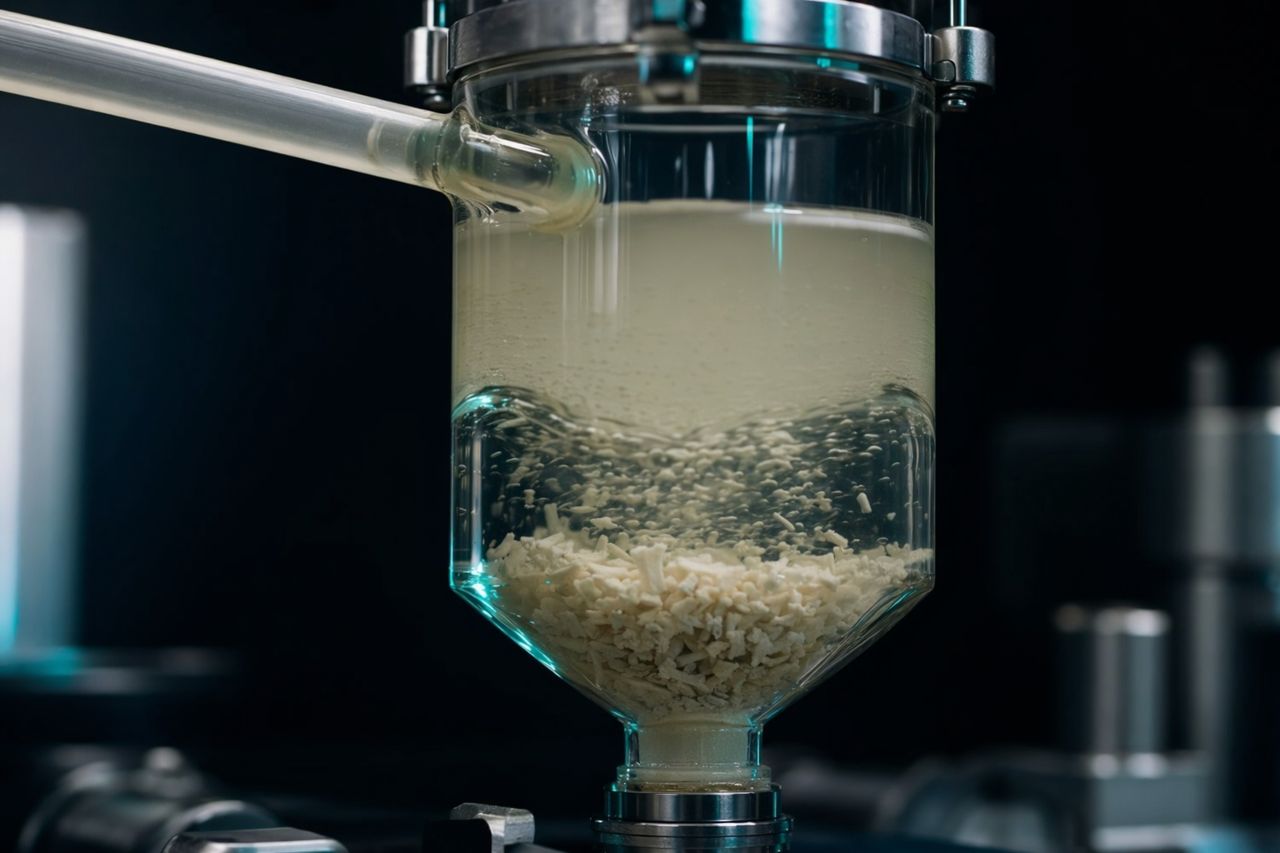
Lysozyme is a selective cell wall-weakening enzyme used to support bacterial lysis workflows where controlled disruption, cleaner extraction, and gentler processing matter. In bacterial cell lysis, it helps open the rigid peptidoglycan layer so intracellular proteins, plasmids, enzymes, metabolites, and analytical targets can be released with less reliance on harsh mechanical or chemical conditions.
Lysozyme Enzyme Solutions supplies lysozyme in bulk to the businesses that build lysis into a product or a process: lysis-buffer and extraction-kit manufacturers, diagnostic and reagent companies, contract development and manufacturing teams, bioprocess groups scaling a recombinant protein, and the laboratory-supply distributors who resell to them. The value is practical: better wall access, simpler process handling, and a lysis aid that fits existing buffer-based workflows. Supply is quoted per order, from development quantities to repeat production lots.
Wholesale and bulk supply for manufacturers, distributors and resellers. Every lysozyme order is quoted individually. Request a quote with the grade or application, the quantity you need and the destination country.

Why Lysozyme is used in bacterial lysis
Bacterial cell envelopes are engineered by nature to resist stress. For many Gram-positive organisms, the peptidoglycan wall is thick and mechanically strong. For Gram-negative organisms, the outer membrane adds an additional barrier that may need to be addressed by the surrounding formulation or process design.
Lysozyme targets the peptidoglycan backbone, helping weaken the wall structure and make cells more responsive to downstream disruption. Depending on the organism and workflow, it may be used alone or alongside detergents, chelating agents, osmotic shock, freeze-thaw steps, homogenization, sonication, or alkaline extraction chemistry.
Common use cases include:
- Recombinant protein extraction from bacterial biomass
- Plasmid preparation and molecular biology workflows
- Release of intracellular enzymes and metabolites
- Sample preparation for microbial diagnostics and research
- Pre-treatment before mechanical disruption
- Lysis support in research-scale bioprocess development
How Lysozyme supports process performance
Lysozyme is not simply a lysis shortcut. It is a controllable biochemical pre-treatment that can improve the way a cell disruption process behaves.
Gentler release of intracellular material
By softening the peptidoglycan layer before physical disruption, Lysozyme can reduce the intensity required from mechanical steps. This can be useful when the target molecule is shear-sensitive, aggregation-prone, or vulnerable to heat generated during aggressive processing.
Better access in dense bacterial biomass
In concentrated cell suspensions, incomplete wall weakening can create variable extraction outcomes. Lysozyme helps standardize the early stage of lysis by acting directly on the wall structure, improving access before clarification or purification.
Cleaner workflow integration
Lysozyme can be introduced as part of a defined buffer step, pre-incubation stage, or enzymatic conditioning phase. That makes it attractive for teams trying to improve yield or consistency without adding major capital equipment.
Flexible pairing with other lysis methods
Many robust workflows use Lysozyme as one part of a lysis system rather than the only disruption method. It can complement membrane permeabilization, osmotic pressure changes, and mechanical force, allowing each component of the workflow to do less work individually.
Application fit by organism and workflow
Lysozyme performance depends on the organism, growth conditions, cell envelope architecture, buffer chemistry, biomass state, and the sensitivity of the target product. A process that works well for one bacterial strain may need adjustment for another.
Gram-positive bacteria
Gram-positive organisms often present a thick peptidoglycan layer, making Lysozyme highly relevant as a wall-weakening step. In many workflows, it can materially improve access to intracellular contents and reduce dependence on intensive mechanical disruption.
Gram-negative bacteria
Gram-negative bacteria have an outer membrane that can restrict enzyme access. For these workflows, Lysozyme is commonly paired with compatible permeabilization conditions to allow the enzyme to reach the peptidoglycan layer. The process design should account for target stability, downstream purification, and acceptable reagent profile.
Plasmid and nucleic acid preparation
In plasmid preparation, Lysozyme can support controlled cell wall weakening before chemical lysis. The goal is not maximum rupture at any cost; it is predictable release while protecting nucleic acid quality and minimizing carryover complexity.
Protein extraction
For recombinant proteins, Lysozyme can support extraction while helping avoid excessive shear, foam, heat, or prolonged processing. It is especially useful when teams are balancing yield, solubility, clarification behavior, and purification compatibility.
Formulation and process considerations
The most successful Lysozyme integrations start with the full lysis context, not the enzyme in isolation. Lysozyme Enzyme Solutions helps buyers and application teams define the practical requirements before scale-up.
Key variables to evaluate include:
- Target organism and strain background
- Cell harvest state and biomass concentration
- Buffer composition and ionic environment
- Presence of permeabilizers, detergents, salts, or stabilizers
- Required contact time within the process window
- Target molecule stability during incubation
- Downstream sensitivity to enzyme, protein load, or additives
- Clarification behavior after lysis
- Documentation requirements for the intended use
Specification priorities for B2B buyers
For bacterial lysis workflows, the buying decision is rarely based on enzyme identity alone. Procurement, quality, and application teams typically need a material profile that fits the intended process and documentation pathway.
Relevant selection criteria may include:
- Consistent lot-to-lot performance in the buyer's own lysis model
- Appropriate purity profile for research, diagnostic, or process development use
- Reliable solubility and handling in the chosen buffer system
- Low unwanted insoluble matter for clean preparation
- Controlled microbial and impurity profile aligned with application risk
- Clear documentation for quality review and internal approval
- Packaging formats that match laboratory, pilot, or production handling
- Supply continuity for recurring campaigns
Lysozyme Enzyme Solutions can provide application-oriented discussion around grade selection, documentation expectations, and sampling for internal evaluation.
Where Lysozyme creates operational value
Lysozyme is useful when the lysis step is limiting consistency, yield, or downstream behavior. It can help reduce process variability caused by incomplete wall disruption, over-processing, or inconsistent biomass response.
Operational advantages may include:
- Reduced severity of mechanical disruption steps
- Improved extractability of intracellular targets
- More controlled pre-treatment before chemical lysis
- Better fit for sensitive proteins or nucleic acids
- Easier troubleshooting of poor release or variable recovery
- Adaptability across bench, pilot, and process development settings
Practical evaluation approach
A sensible evaluation usually compares Lysozyme-assisted lysis against the current baseline process. The comparison should focus on what matters commercially and scientifically: target recovery, impurity profile, viscosity, clarification speed, downstream compatibility, handling simplicity, and reproducibility.
For robust screening, teams should keep biomass preparation, buffer conditions, mixing, and hold time consistent while varying only the lysis strategy under review. The goal is to identify whether Lysozyme improves release, reduces processing burden, or creates a cleaner downstream starting point.
Documentation and supply discussion
Lysozyme Enzyme Solutions supports B2B buyers who need more than a catalog description. For Lysozyme used in bacterial cell lysis, we can discuss intended application, grade expectations, documentation needs, packaging format, and supply planning.
Typical request topics include:
- Sample availability for internal lysis studies
- Commercial pack sizing
- Quality documentation requirements
- Allergen, origin, and compliance questions
- Recurring supply planning for development campaigns
- Application fit for protein extraction, plasmid preparation, or microbial processing
Ready for a quote? Use the inquiry form at the foot of this page. Tell us the product or application, the quantity, your preferred pack and the delivery country; price, available documents and lead time are quoted per order.
Request pricing or a technical supply discussion
If you are evaluating Lysozyme for bacterial cell lysis, share the organism type, target material, intended workflow, and documentation needs. Lysozyme Enzyme Solutions will respond with fit guidance, availability, and pricing through this site's own inquiry process.