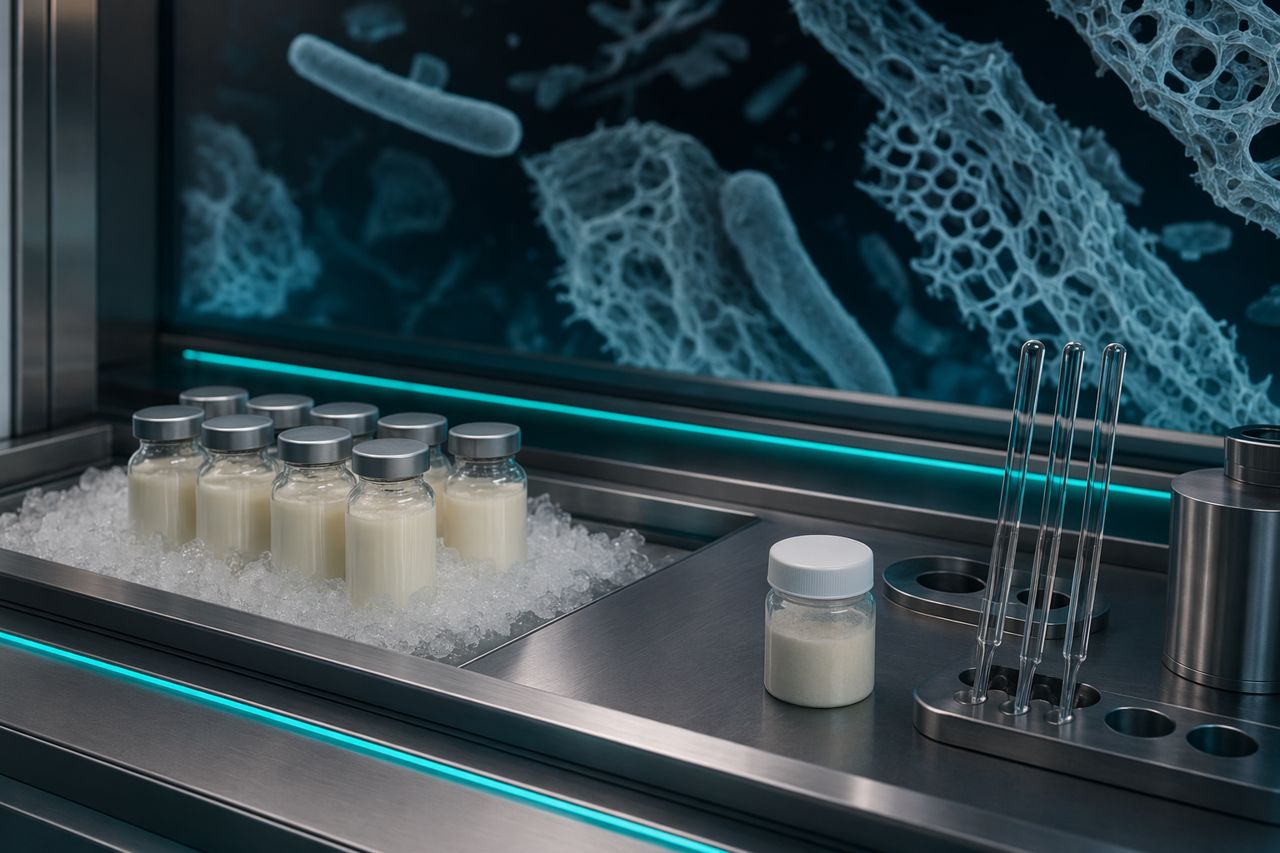
Lysozyme for Food Preservation
Lysozyme is an enzyme-based antimicrobial aid used in selected food systems where susceptible bacteria create quality, stability, or shelf-life risk. It acts on the peptidoglycan structure of bacterial cell walls, with strongest relevance against many Gram-positive organisms. For formulation teams, its value is not broad-spectrum replacement chemistry; it is targeted control in matrices where the biology, process conditions, and regulatory pathway align.
Lysozyme Enzyme Solutions supports food manufacturers, ingredient blenders, and technical distributors evaluating Lysozyme for preservation-led applications, including dairy, wine and fermented beverages, ready-to-use ingredient systems, and other controlled food matrices. Supply is wholesale and quoted per order, for production use or resale.
Wholesale and bulk supply for manufacturers, distributors and resellers. Every lysozyme order is quoted individually. Request a quote with the grade or application, the quantity you need and the destination country.

Where Lysozyme fits in food preservation
Lysozyme is typically considered when a product needs additional control over bacteria that can affect texture, gas formation, flavor stability, turbidity, or shelf-life consistency.
Common evaluation areas include:
- Cheese and dairy systems where control of susceptible spore-forming or spoilage-associated bacteria can support ripening stability and reduce late-stage defects.
- Wine and fermented beverages where bacterial management may help protect sensory profile, acidity targets, and process predictability.
- Prepared food components and ingredient systems where an enzyme-based hurdle may complement pH, salt, water activity, heat treatment, or cold-chain controls.
- Low-intervention preservation strategies where formulators want a targeted antimicrobial tool without changing the core sensory identity of the product.
Lysozyme is best assessed as part of a hurdle strategy. It does not replace sanitation, validated thermal processing, environmental monitoring, or regulatory controls.
Technical value for formulation teams
Targeted bacterial control
Lysozyme hydrolyzes structural bonds in bacterial cell-wall peptidoglycan. In practical food applications, this makes it most useful against susceptible Gram-positive bacteria. Gram-negative organisms are generally less accessible because their outer membrane can limit enzyme contact with the target structure.
Low sensory disruption when correctly applied
In suitable matrices, Lysozyme can provide antimicrobial functionality with limited impact on color, aroma, and flavor. Final sensory impact depends on the food system, treatment point, ingredient interactions, and selected grade.

Compatibility with preservation hurdles
Lysozyme can be evaluated alongside existing hurdles such as acidity, salt, refrigeration, oxygen control, filtration, pasteurization, and packaging design. The objective is usually not to increase process complexity, but to improve robustness where microbial variability creates commercial risk.
Process flexibility
Depending on the matrix, Lysozyme may be introduced during formulation, before maturation, before packaging, or at another validated control point. The correct point of addition should be established by pilot testing and microbiological verification.
Application considerations
Lysozyme performance is matrix-dependent. Before adoption, technical teams should evaluate:
- Target organism profile: confirm the spoilage or process-risk organisms are susceptible.
- Food matrix composition: protein, fat, polyphenols, salts, and suspended solids may affect enzyme availability.
- pH and ionic conditions: the surrounding environment can influence protein charge, solubility, and interaction with cell-wall targets.
- Thermal exposure: heat history and point of addition should be aligned to preserve functional performance.
- Process timing: contact time and distribution through the matrix matter.
- Regulatory status: permitted use, labeling, and maximum-use expectations vary by food category and market.
- Allergen and source declarations: many commercial Lysozyme grades are egg-derived; documentation should be reviewed early in commercialization.
Commercial use cases
Dairy preservation support
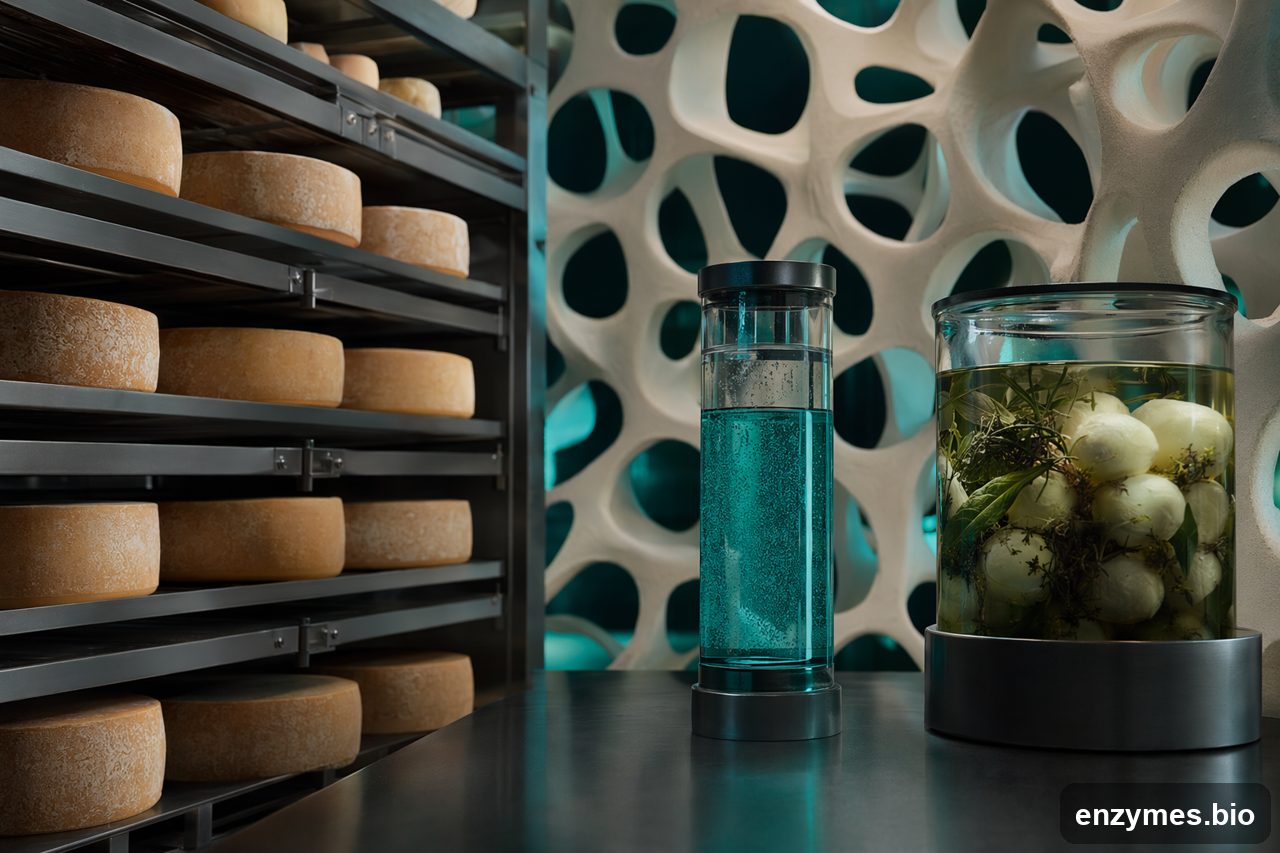
In cheese manufacture, Lysozyme is often evaluated to help control bacteria associated with late blowing, unwanted gas formation, and ripening instability. It can be especially relevant where milk quality, seasonal variability, or maturation length increases spoilage pressure.
Beverage microbial management
In wine and selected fermented beverages, Lysozyme may help manage lactic acid bacteria where acidity, flavor profile, or malolactic progression need tighter control. It should be used with clear microbiological intent and compatibility testing for clarification, filtration, and sensory outcome.
Ingredient and prepared-food systems
For ingredient suppliers and prepared-food manufacturers, Lysozyme can be part of a preservation toolkit where product positioning favors enzyme-based or targeted antimicrobial approaches. It should be validated against the organisms and handling conditions relevant to the finished product.

What Lysozyme Enzyme Solutions can support
Lysozyme Enzyme Solutions works with B2B buyers and technical teams that need more than a catalog description. We can support:
- Food-grade Lysozyme sourcing discussions
- Grade selection for specific food matrices
- Documentation review for purchasing and quality teams
- Regulatory and labeling discussion points for internal assessment
- Sample planning for pilot-scale evaluation
- Commercial-volume quotation and lead-time planning
- Packaging and handling requirements for production environments
We do not position Lysozyme as a universal preservative. We help teams determine whether it is the right enzyme for the microbial risk, processing conditions, market requirements, and commercial objective.
Procurement and specification checklist
Before requesting pricing, it helps to define:
- Food category and target market
- Intended point of addition
- Target spoilage or process-risk organisms
- Current preservation hurdles already in place
- Required documentation for QA and regulatory review
- Allergen and labeling constraints
- Trial quantity, scale-up plan, and expected commercial volume
- Preferred packaging size and storage conditions
This information allows Lysozyme Enzyme Solutions to respond with a practical recommendation instead of a generic quote.
Handling and storage
Lysozyme should be stored according to the grade-specific documentation supplied with the material. In general, procurement and plant teams should protect enzyme products from avoidable heat, moisture, cross-contamination, and prolonged open exposure. Production trials should use controlled weighing, clean addition procedures, and documented batch records.
Ready for a quote? Use the inquiry form at the foot of this page. Tell us the product or application, the quantity, your preferred pack and the delivery country; price, available documents and lead time are quoted per order.
Request a quote
If you are evaluating Lysozyme for food preservation, share your matrix, process conditions, target microorganisms, and required market documentation. Lysozyme Enzyme Solutions will review the application and respond with grade guidance, availability, and pricing.
Prefer a concise purchasing response? Use the same form and note “get pricing” with your estimated volume and delivery location.